Tacoma · University Place · Lakewood
Heating oil tank removal and decommissioning in Tacoma
Many older Tacoma homes still have a buried heating oil tank. Buyers, lenders and inspectors ask about it. Here's what the job involves, what it usually costs, and how to get quotes from local pros.
- Free
- No obligation
- Up to 3 local pros
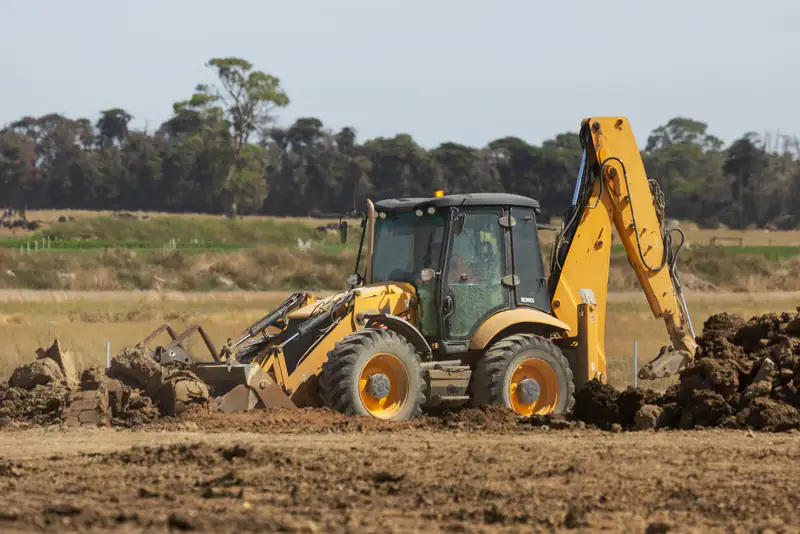
Stock photo: Troy Mortier / Unsplash · illustration only, not our work
- 100% freeYou never pay us anything
- No obligationCompare quotes. Hire one, or nobody
- Registered prosWe only pass requests to pros who tell us they are WA L&I registered
- LocalRequests go to pros who serve your area
How much does heating oil tank removal cost in Tacoma?
Removing a buried residential heating oil tank typically costs $1,500-3,500, and decommissioning it in place (pumped, cleaned and filled) typically costs $600-3,400, based on public cost guides. Soil sampling adds about $300-1,500. Both options need a Tacoma Fire permit before work starts, and a leaked tank costs more to clean up. These are typical ranges, not quotes.
Homes built before the 1970s often heated with oil from a tank buried in the yard. When the house switched to gas or electric, the tank usually stayed in the ground. It becomes a problem at sale time: a buyer's inspector may find a fill pipe or vent, the buyer asks for proof the tank was handled, and the deal waits.
There are two ways to deal with a tank you don't use: remove it (dig it up, clean it, haul it away) or decommission it in place (pump out the oil, clean it, and fill it with an inert material like sand or concrete slurry). Both need a permit in Tacoma, and both end with a report you keep for the next buyer.
How does the free quote matching work?
- Tell us about the jobA short form, about two minutes. Free and no obligation.
- We pass it to up to 3 local prosIndependent businesses that do this work in your area.
- Compare quotes and chooseHire one, or nobody. Your contract is with them, not with us.
What does each option cost?
Typical public ranges, not quotes
These are typical ranges from public cost guides, not quotes. Your price depends on tank size, how deep it is, what's on top of it, and whether the soil is clean.
| Job | Typical range | What changes the price |
|---|---|---|
| Remove a buried residential tank | $1,500-3,500 | Depth, access for the excavator, patios or trees on top, disposal |
| Decommission in place (fill) | $600-3,400 | Tank size, fill material, permit and report |
| Soil sampling and lab test | $300-1,500 | Number of samples, rush lab work |
| Tank search / sweep (metal detector or ground radar) | a few hundred dollars | Lot size, radar vs. metal detector |
| Cleanup if the tank leaked | often 2-3x the removal cost, sometimes much more | How far the oil spread |
If the soil test shows contamination, cleanup follows state rules and costs more. Washington's Pollution Liability Insurance Agency (PLIA) runs a heating oil program that has offered loans and grants for leaking residential tanks; check its current terms on plia.wa.gov.
How does the job usually go?
- Find out if there's a tank. Look for a fill pipe or vent near the foundation, old oil bills, or ask for a tank search.
- Get 2-3 quotes. Ask each pro whether they recommend removal or decommissioning and why.
- The contractor pulls the permit. In Tacoma the Fire Department issues it to the contractor, before work starts. Permits aren't issued after the fact.
- The work. Oil and sludge are pumped out, the tank is cleaned, then removed or filled. Soil samples may be taken.
- The report. In Tacoma, a decommissioning report goes to the Fire Department within 30 days. Keep a copy for your sale file.
What local rules apply?
Tacoma: the Tacoma Fire Department requires a permit for each tank before any work, issued to the contractor. The work must be done or directly supervised on site by an ICC-certified UST decommissioner, and the report is due within 30 days. Source: Tacoma Fire bulletin.
University Place: a residential tank decommissioning permit (listed at $55 in the city's 2019 handout), with a notarized report. Source: City of University Place.
Other cities: rules differ. Ask your city's permit counter or fire marshal. We'll note it when we learn more.
What should you check before you hire?
- Ask for their WA L&I contractor registration number and check it on the L&I site.
- In Tacoma, ask who the ICC-certified decommissioner on site will be.
- Confirm they pull the permit and file the report, and that both are in the quote.
- Ask what happens, and what it costs, if soil samples come back dirty.
- Get the price for patching the lawn or patio afterwards in writing.
Frequently asked questions
Do I have to remove an old oil tank I don't use?
Not always. Many owners decommission in place instead. But buyers and lenders often want proof that an unused tank was handled, so most owners deal with it before listing. A local pro can tell you which option fits your yard.
Removal or decommission in place: which is better?
Removal leaves nothing in the ground and is often preferred by buyers. Decommissioning in place costs less and avoids digging under patios, driveways or trees. Both need a permit and a report in Tacoma.
How long does it take?
The on-site work is usually one day. Scheduling, the permit and any lab results add days to a few weeks. If you have a sale closing date, put it in your request.
What if the tank leaked?
Then cleanup follows state rules and costs more. Washington's PLIA heating oil program has offered help for leaking residential tanks; check its current terms.
Are you a contractor?
No. We're a free referral service. We pass your request to up to 3 independent local pros, and you hire one of them, or none, directly.
Areas
Sources
Ready to compare quotes?
Tell us about the job in about two minutes. Free, no obligation.
Get free quotes